
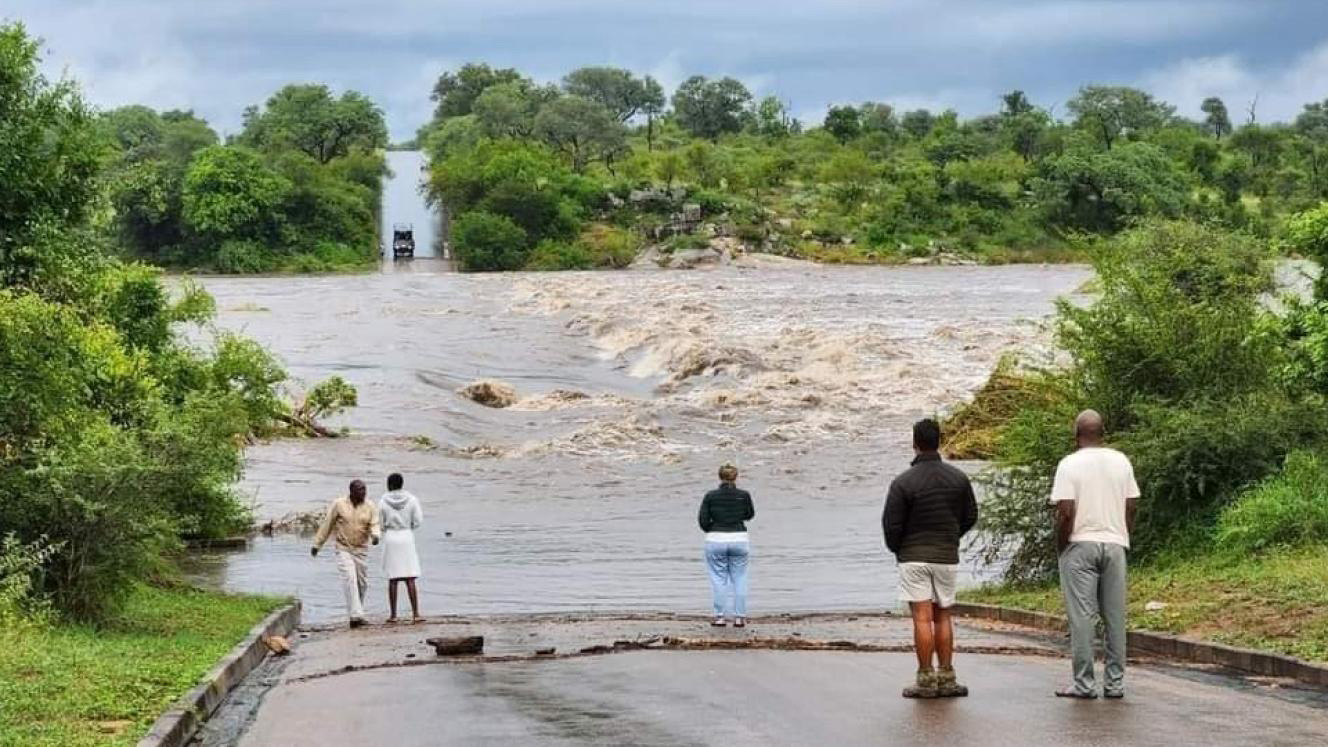
The safari tourism sector in South Africa’s Greater Kruger National Park (KNP) is working its way back from the devastating flooding that hit the region in January, prompting significant operational disruption and financial strain for operators, lodges and related businesses. According to a recent Tourism Update survey, 52% of safari operators described the impact on their revenue as “severe” — a stark indicator of the toll the floods have taken on one of Africa’s most iconic travel regions.
The main causes of revenue loss were clear: cancelled or postponed bookings affected 88% of respondents, while road access challenges (84%) and disrupted guest activities (79%) compounded the sector’s difficulties. The unusual rainfall triggered river overflows throughout the KNP and neighbouring private reserves, causing infrastructure damage that forced some lodges to close temporarily — in some cases for weeks or even months.
Some operations have already reopened. Tanda Tula in the Timbavati Private Nature Reserve reported full bookings shortly after resuming services on January 28, following extensive road repairs to improve accessibility. Co-owner Don Scott described the collective efforts among operators to manage disruption and navigate insurance claims, emphasising a strong spirit of cooperation across the industry.
Not all properties have recovered at the same pace. Hideaways Africa’s Amava River Lodge in the Balule Nature Reserve suffered substantial damage to guest facilities and remains closed with plans to stay shuttered until later in the year.
Local tour operators have also faced significant challenges. Guides and small operators based in Hoedspruit and Phalaborwa reported scant business activity, citing gate closures and limited access as major hurdles. Many have had to cancel bookings and refund clients, with some calling for targeted support to sustain livelihoods.
Looking ahead, just under half of those surveyed acknowledged that forward bookings have also been affected, though optimism remains among some operators who are anticipating a strong peak season later in the year. Initiatives such as resumed flights into regional airports are expected to bolster recovery, while industry groups continue to advocate for urgent road repairs and improved access to impacted areas.