
The Gambia’s tourism landscape is experiencing a creative renaissance, driven by new approaches to destination marketing, community empowerment and cultural celebration. At the heart of this shift is Perreh Bi Fest — a vibrant beachfront cultural festival that has quickly become one of the country’s most compelling tourism and economic development initiatives. Running from November 2025 through January 2026, the festival has helped transform stretches of The Gambia’s coastline into energetic hubs of performance, sport and entrepreneurship, giving both visitors and local small businesses something exciting to engage with.
Perreh Bi Fest has redefined what tourism can look like in a destination long known primarily for sun, sea and sand. Drawing its name from the Wolof phrase “Tati Perreh Bi” — meaning “the shore” — the festival celebrates The Gambia’s coastal culture while creating meaningful opportunities for local enterprises. By showcasing live music, traditional wrestling, volleyball matches, art exhibitions and an open marketplace of vendors, the event invites both residents and visitors to experience the nation’s heritage in a lively, contemporary setting.
The concept behind Perreh Bi Fest is both simple and significant: to extend the tourism season beyond the traditional high months, diversify what visitors come to see and do, and use culture as a catalyst for economic participation. Rather than relying solely on packaged sun-and-beach travel, The Gambia is positioning its coastline as a dynamic space where tourism and local enterprise converge — creating an attractive draw for domestic travellers and international visitors alike.
A key strength of Perreh Bi Fest lies in its integration with broader economic and youth empowerment goals. The festival forms part of the International Trade Centre’s EU-funded Youth Empowerment Project – Tourism and Creative Industries, working closely with The Gambia’s Ministry of Tourism, Arts and Culture. This partnership aims to strengthen the competitiveness and inclusiveness of the tourism and creative sectors, particularly for young entrepreneurs.
For small business owners, the festival has offered a valuable platform to showcase their products, build networks and generate income. Local vendors have brought pressed juices, fashion pieces, handcrafted goods and traditional foods to festival markets, connecting directly with an engaged audience. Traders and artisans have also had opportunities to practice eco-friendly business methods, aligning with sustainable tourism principles that are increasingly important to travellers today.
The impact of Perreh Bi Fest extends beyond individual vendors. Tourism is a cornerstone of The Gambia’s economy — accounting for roughly 20% of GDP and supporting one in every five jobs. With creative industries projected to deliver up to 50,000 jobs by 2026, events like Perreh Bi play an important role not only in attracting visitors, but in strengthening the country’s cultural storytelling and skills development.
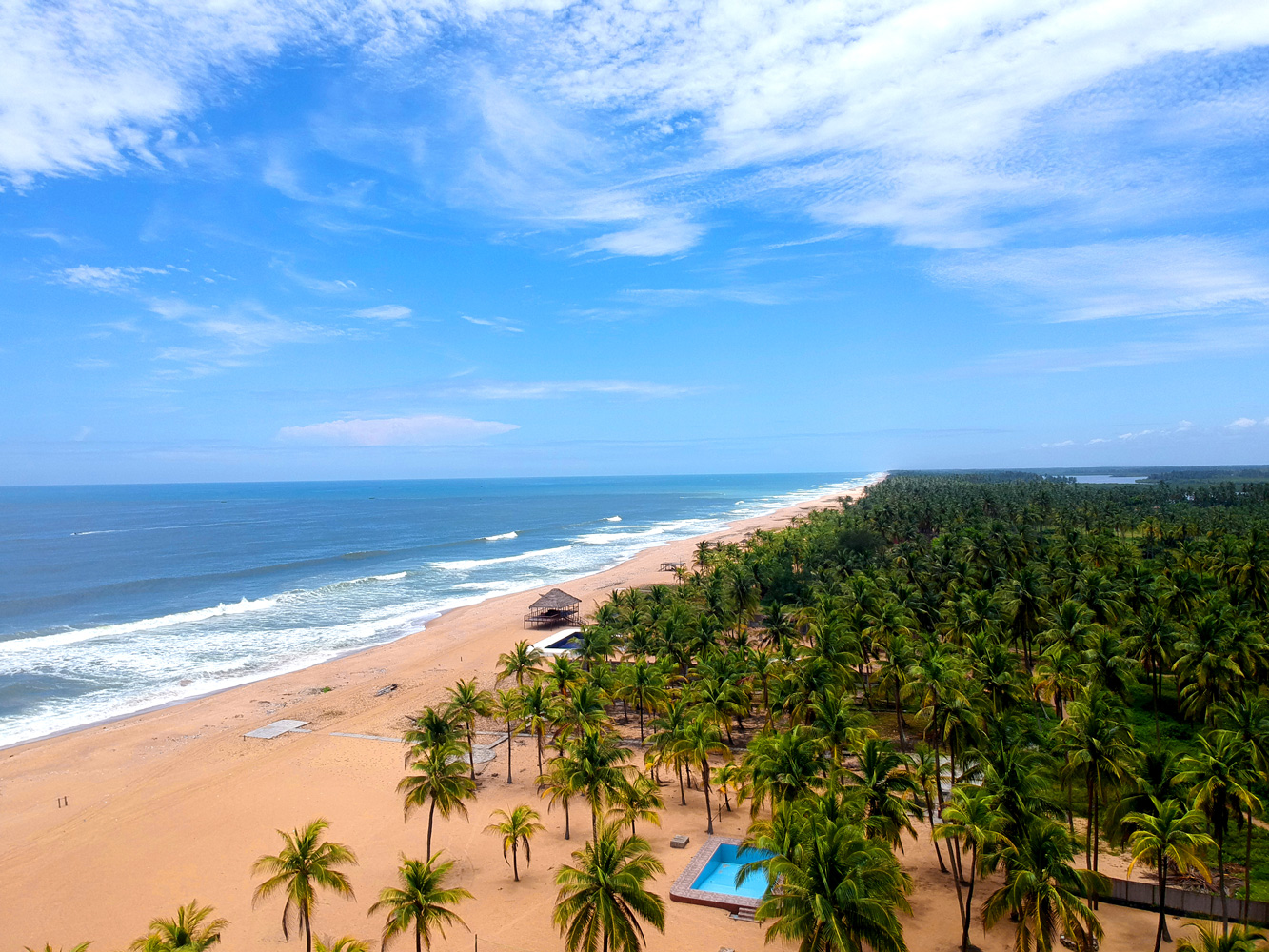
By anchoring the festival along The Gambia’s pristine coastline, the organisers are also reshaping how locals and visitors alike perceive the country’s beaches. Traditionally seen simply as spaces for relaxation, the shoreline is now being activated as a cultural and economic hub — a place of community engagement, artistic expression and enterprise. As one International Trade Centre expert noted, this shift encourages a deeper connection to The Gambia’s natural assets while encouraging sustainable economic pathways for communities previously bypassed by tourism growth.
Domestic tourism has been a strategic focus for The Gambia in recent years, both as a hedge against the seasonality of international arrivals and as a way to build a stronger sense of national identity and pride. Events like Perreh Bi Fest not only give Gambians new reasons to explore their own country, but they also highlight the potential for year-round tourism offerings that celebrate culture, sport and commerce.
The success of Perreh Bi Fest also reflects a broader trend in tourism development across Africa: moving away from single-product destinations toward experiences that integrate heritage, creativity and community. This aligns with travellers’ evolving expectations, as more visitors seek authentic cultural engagement and personal connection with the places they explore.
Looking ahead, organisers hope that Perreh Bi Fest will become a recurring cultural highlight in The Gambia’s tourism calendar, amplifying local voices, growing business opportunities and enhancing the nation’s appeal on the international stage. By weaving tradition with contemporary celebration, this festival is helping to reposition The Gambia not just as a coastal escape, but as a vibrant cultural destination with a compelling story to tell.