
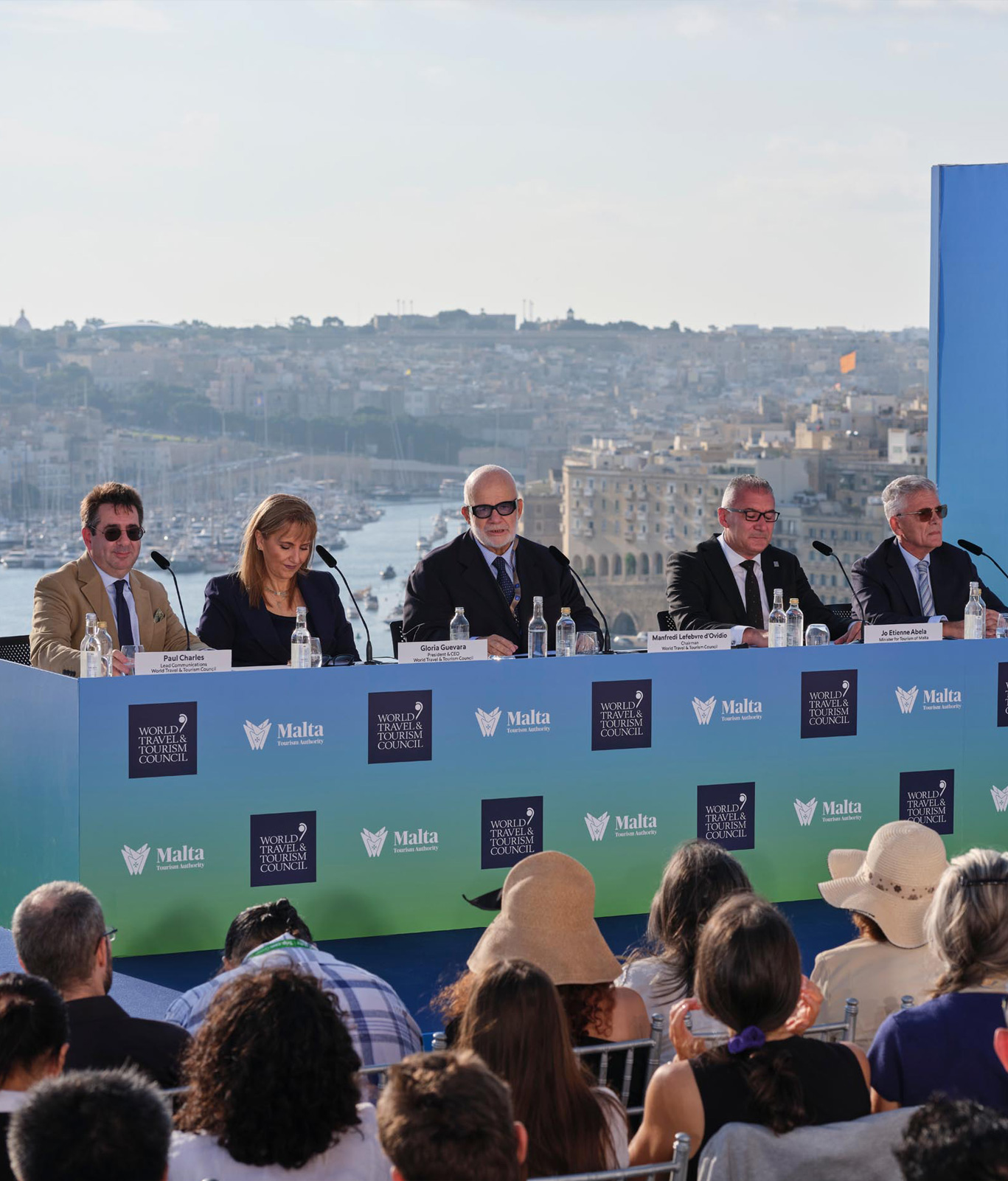
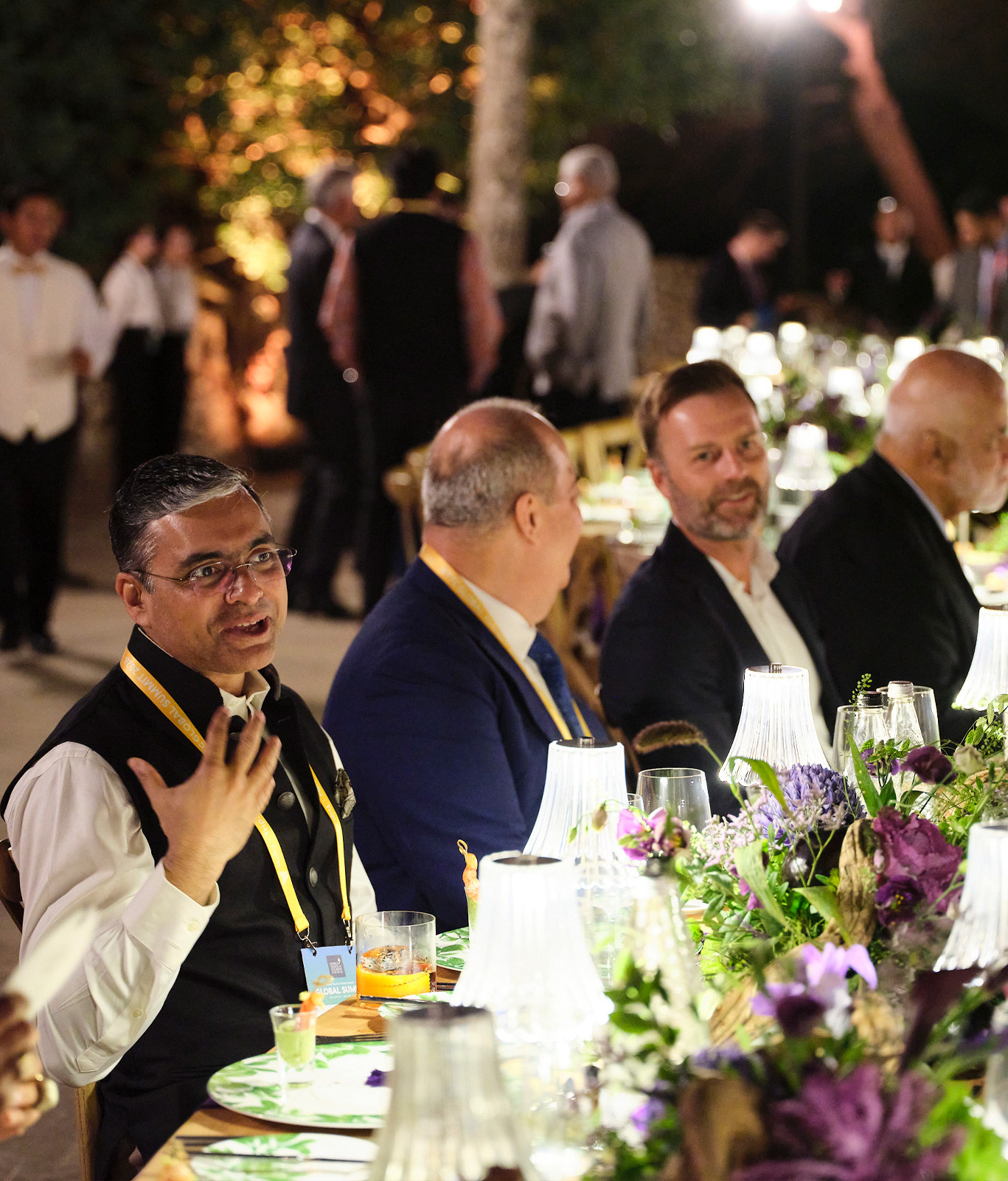
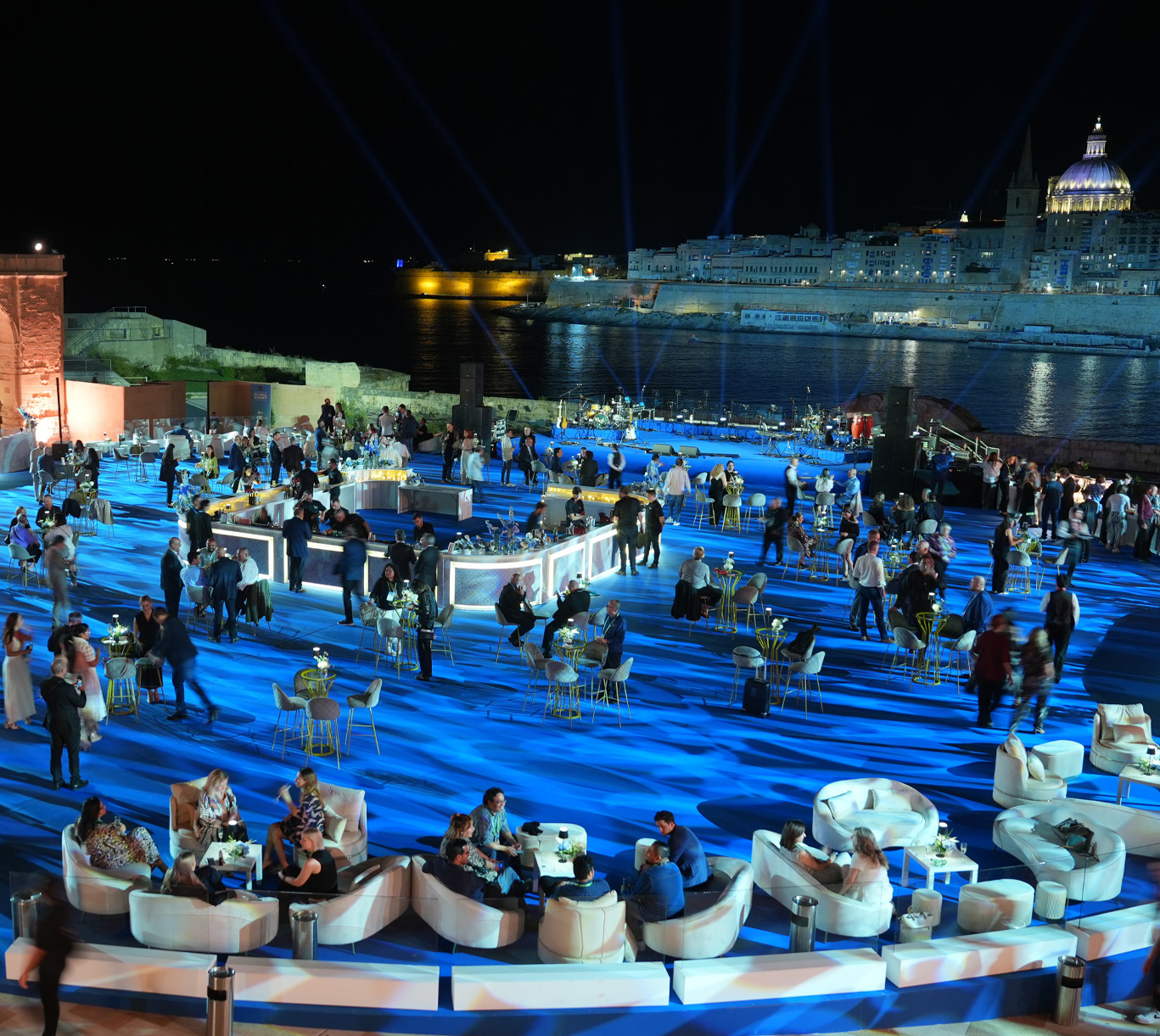
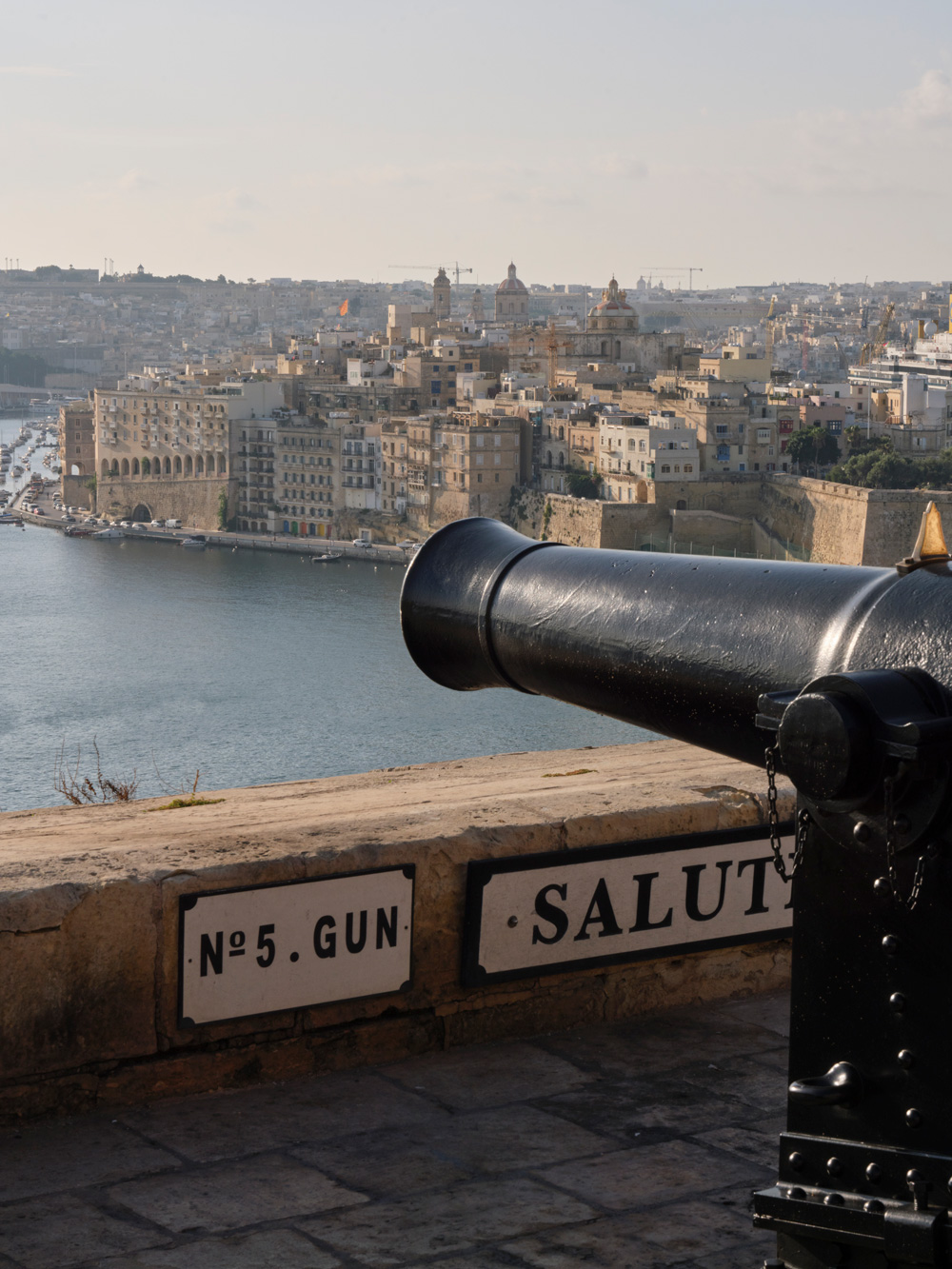
Against the historic limestone backdrop of Valletta, the World Travel & Tourism Council convened its 26th Global Summit under an urgent, imperative theme: FUTU[RE]SET. Across two days of high-stakes deliberations from October 7–9, more than 1,000 delegates, including 200 chief executives, tourism ministers, and former heads of state, gathered to confront the shifting realities of the global visitor economy. Rather than settling into familiar platitudes on recovery, the dialogue in Malta reflected an industry transitioning from rebound to structural reinvention.
The summit delivered concrete commitments alongside its policy debates. From a multi-billion-dollar private capital pledge for the host nation to a groundbreaking pact bridging leisure tourism with the business events sector, the proceedings demonstrated that the future of travel hinges on tangible cross-border alignment.
Across discussions spanning artificial intelligence, workforce resilience, and sustainable infrastructure, the message from the Mediterranean was unequivocal: the sector’s next decade demands collaborative governance, grassroots empowerment, and sharper economic integration.
High-level alignment
The assembly drew an exceptional roster of international figures, reflecting the summit’s stature as the preeminent policy forum for global travel. Addresses from former Canadian Prime Minister Justin Trudeau and former Spanish Prime Minister José María Aznar framed the macroeconomic challenges facing sovereign destinations, while commercial heavyweights, including Hilton’s Christopher Nassetta, Accor’s Sébastien Bazin, and Dubai Airports CEO Paul Griffiths, anchored discussions in operational realities. Deliberations centred on eight core priorities, with seamless digital borders, crisis preparedness, and capital investment dominating executive discourse.
Crucially, the summit sought to bridge the generational divide through the debut of its Youth Movement initiative, bringing 90 students and faculty from 16 academic institutions directly into dialogue with industry titans. Through the closed-door Global Leaders Dialogue, ministers and boardroom leaders worked to dismantle lingering friction between state regulations and private enterprise, setting a tone of collective responsibility that resonated through every subsequent accord.
Vote of confidence
Nowhere was that public-private synergy more visible than in the host nation itself. WTTC members announced a collective $2 billion investment commitment directed into Malta’s domestic tourism ecosystem.
The capital influx is slated to overhaul connectivity, modernise accommodation assets, and enrich heritage infrastructure across the Maltese archipelago, reinforcing international institutional confidence in the country’s tourism roadmap.
The pledge aligns directly with Malta’s record-setting performance. According to WTTC’s latest Economic Impact Research, the sector is forecast to inject $4.9 billion into the Maltese economy in 2026, generating nearly 17 percent of the nation’s gross domestic product and sustaining one out of every five local jobs.
This builds on an extraordinary 2025 run, in which Malta recorded a 16.8 percent surge in tourism GDP contribution alongside a 16.1 percent rise in international visitor spending, the fastest growth rate anywhere in the European Union, far outpacing the wider continent’s 2.6 percent average.
Uniting leisure and events
In a landmark strategic development for global MICE governance, WTTC entered into a formal Memorandum of Understanding with the International Congress and Convention Association (ICCA). The accord directly tackles a longstanding structural flaw in tourism economics: the fragmented, often inconsistent measurement of the business events sector relative to broader leisure flows.
Under the partnership, both bodies will harmonise data models and research methodologies, establishing definitive economic baseline figures that quantify how congresses, trade shows, and corporate assemblies drive destination employment and direct spending. Beyond data alignment, the alliance forms a unified advocacy front.
WTTC and ICCA intend to lobby international governments jointly on operational bottlenecks, most notably streamlined visa facilitation, cross-border connectivity, and equitable taxation regimes, ensuring that business events are recognised as fundamental engines of global trade.
India secures 2027 summit
The competitive race to host the 27th WTTC Global Summit concluded with the announcement that Delhi, India, will welcome the world’s tourism leaders in 2027. Selected ahead of 21 competing bids, the decision reflects India’s rapid ascension into the upper echelon of the global travel economy. The announcement was punctuated by the presentation of the WTTC Global Champion Award to India’s Union Minister of Tourism and Culture, Gajendra Singh Shekhawat, honouring his administration's targeted sector expansion.
The economic fundamentals behind the selection are staggering. India’s travel and tourism sector generated $263.6 billion in 2025, supporting more than 46 million jobs. The market is projected to expand by 8.5 percent in 2026 to reach $286.1 billion, underpinned by an enviable domestic spending foundation that accounted for 86 percent of all sector expenditure in 2025. Over the coming decade, WTTC forecasts that India’s travel economy will swell to $527 billion, establishing the country as the fourth-largest travel and tourism powerhouse on earth.
Bahrain deepens global ties
The Middle East’s strategic diversification was well represented in Valletta, led by the formal entry of the Bahrain Tourism and Exhibitions Authority (BTEA) as an official WTTC Destination Partner. Headed by Minister of Tourism and BTEA Chairperson Fatima bint Jaffar Al Sairafi, the Bahraini delegation solidified a platform designed to accelerate the Kingdom’s exposure to institutional investors, high-yield feeder markets, and WTTC’s technical working groups.
The alliance arrives at a pivotal juncture in Bahrain’s national tourism strategy. By integrating into WTTC’s global advocacy and research apparatus, the authority intends to aggressively scale its leisure pipeline and capitalise on its established exhibition infrastructure, leveraging its trio of UNESCO World Heritage sites and 5,000 years of civilisation to position the archipelago as a premier boutique cultural and MICE destination in the Gulf.
One-million SME target
Recognising that international hotel brands and global airlines rely entirely on an underlying web of small operators, WTTC unveiled an ambitious campaign to support one million small and medium-sized enterprises through its Together in Travel Community.
Because SMEs represent more than 85 percent of all tourism businesses worldwide, unlocking their operational efficiency remains the sector’s most underleveraged economic lever.
New economic scenario analysis conducted with Oxford Economics and presented in Malta revealed the scale of that prize: improving SME productivity by just 10 per cent across eight benchmark economies - including the UAE, US, UK, and Spain - could inject an additional $63 billion in direct travel and tourism GDP. Supported by an alliance with the International Chamber of Commerce (ICC), the initiative provides free toolkits, digital skill-building modules, and policy advocacy designed to dismantle the persistent hurdles that independent enterprises face when attempting to access working capital and international distribution channels.