
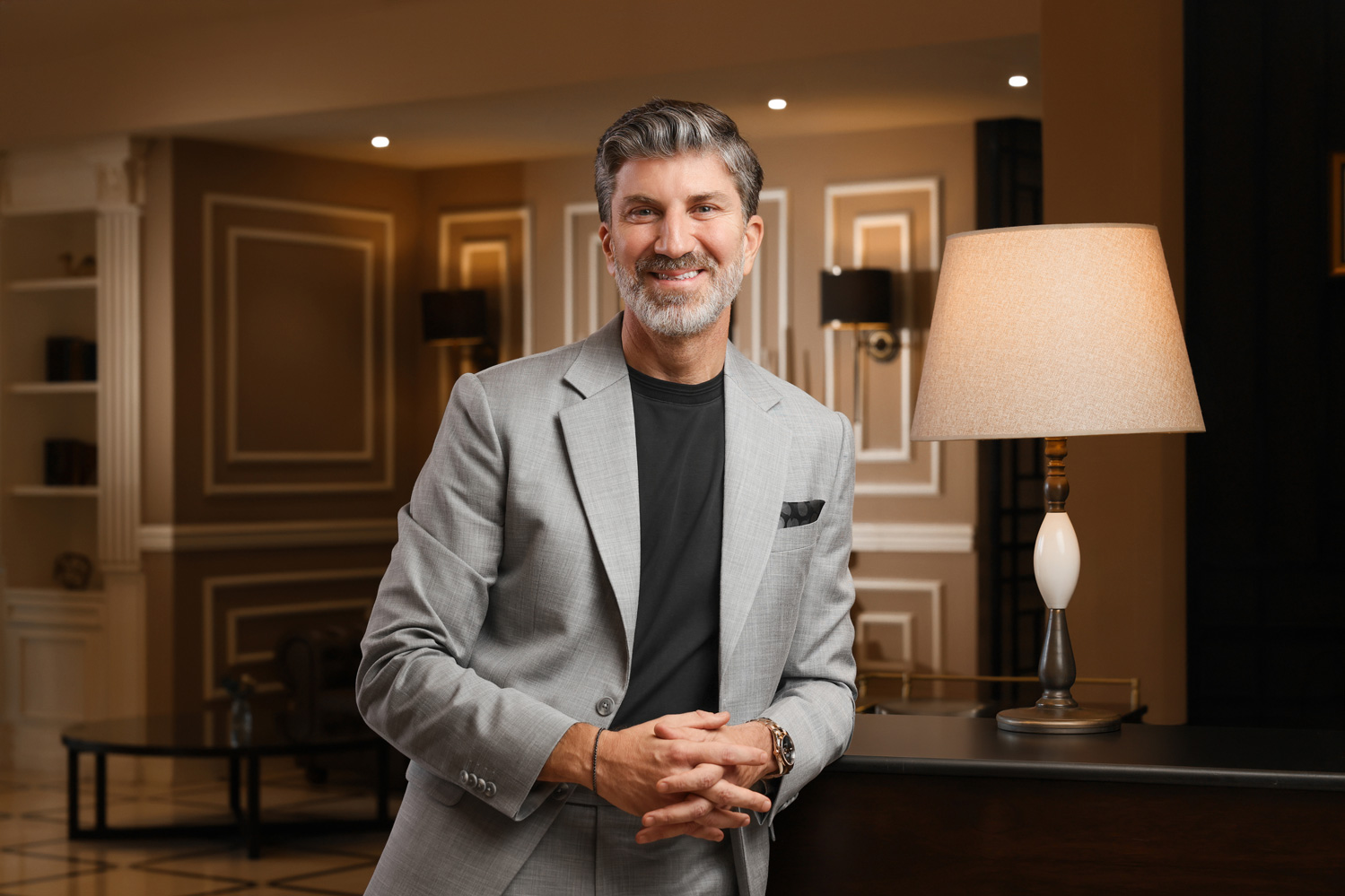
TTN caught up with Ahmad Shaban Fernandez, Cluster General Manager of NH Collection Dubai The Palm and DUKES The Palm Dubai Hotel, to discuss Dubai’s resilience, the changing hospitality landscape and how challenging circumstances are driving hotels to find new ways to add value for guests.
One example is the properties’ “Two Hotels, One Stay” concept, which allows guests to enjoy the facilities and experiences of both hotels while staying at either property.
“Before Minor Hotels took over DUKES from its former operator, the two hotels had always been competing against each other. We say, ‘We slept as competitors and we woke up as one company.’
“The first thing we worked on was centralising the workforce and manpower for both hotels. This took four to five months to complete, but it was the cornerstone that allowed us to start on the right footing. That was successfully delivered on behalf of Minor Hotels and the two properties.
“Once we started ramping up with a new centralised engine, the geopolitical unrest took place. But we always kept our focus on finding opportunities within the circumstances.
“That is when we started looking at how to strengthen the positioning of both hotels as one entity under one complex. This is when we started promoting ‘Two Hotels, One Stay’.
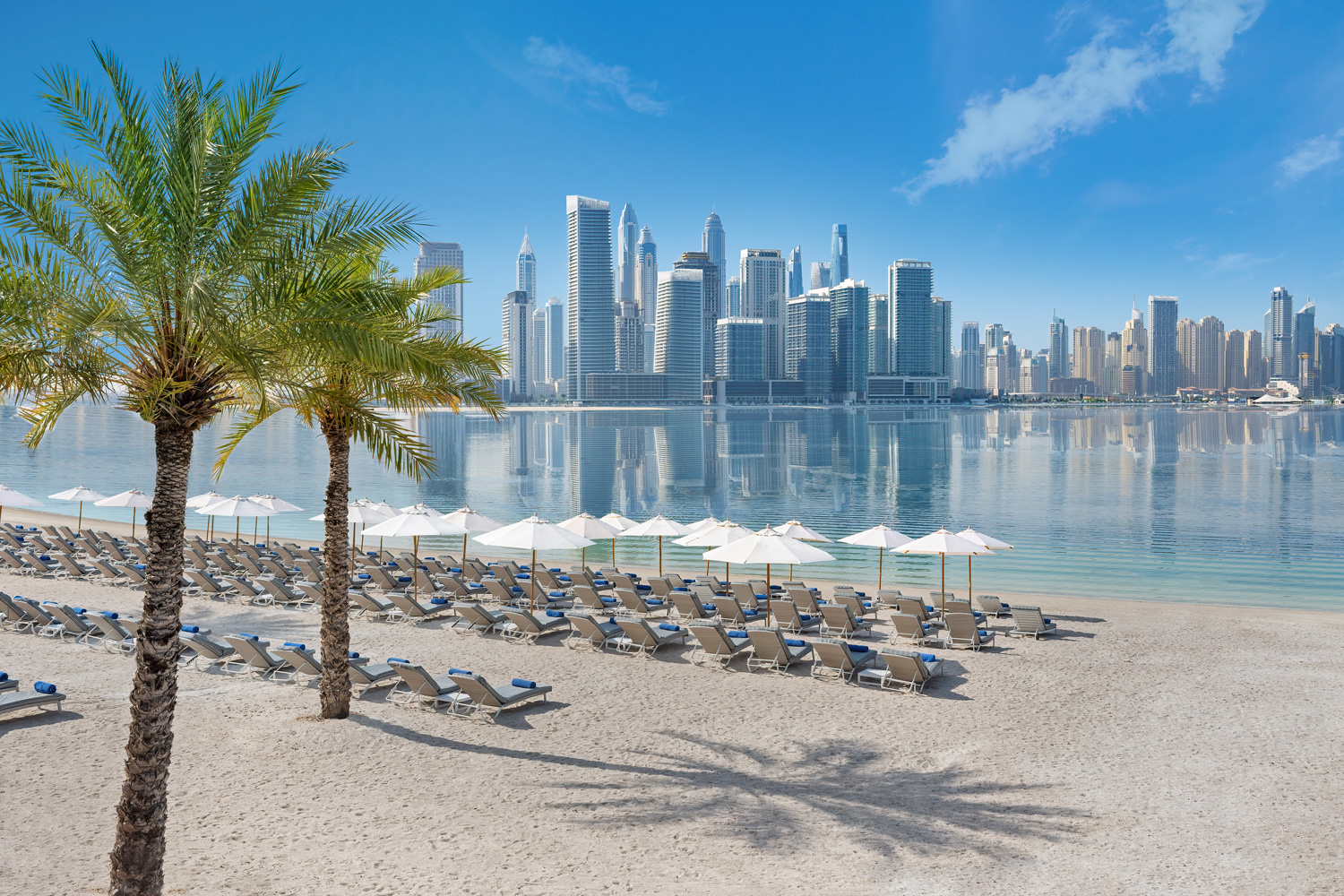
“It gave us the opportunity to offer the market something new. It increased the size of what we could offer in terms of rooms, outlets, beach clubs and other facilities.
“It also went hand in hand with penetrating new feeder markets into Dubai, particularly India and the GCC, led by Saudi Arabia, which has paid off very well over the past six to seven months.
“Staycations were the main market to play with at the beginning of the situation, and ‘Two Hotels, One Stay’ gave us the opportunity to compete even further. We were not only selling to the local UAE market; we expanded our reach into the GCC.
“We were one of the first hotel complexes to start encouraging the Omani and Saudi markets to drive to Dubai rather than fly, positioning Dubai as a staycation destination.”
Building international
demand
Fernandez says the groundwork laid with international partners before the recent geopolitical uncertainty also played an important role in the hotels’ recovery.
“Before the whole unrest started, we were planting very solid seeds in the international market, which has helped us recover faster than some of our competitors.
“We never dropped the ball with our international partners. We stayed in touch with them. So, whenever we started to rebound, we were one of the first hotels to capture the comeback of the international market.”
He believes Dubai’s ability to recover quickly is one of the destination’s greatest strengths.
“Dubai and the UAE’s resilience has been tested throughout many crises. I personally witnessed the crisis of 2008, then 2014, which was a rebound from 2008, followed by the pandemic and now the current circumstances.
“The UAE has always proved to international markets that we come back faster and stronger.
“Dubai is a master at finding opportunities within tough times. I’m sure that the rebound is going to be super-strong and super-fast compared with other markets, with a lot of new opportunities coming that we had not uncovered before the geopolitical unrest.”
Fernandez points to the successful staging of Arabian Travel Market (ATM) as another indication of the destination’s resilience.
“ATM has historically taken place around April or May. This year, we could not have it at that time, so it was initially planned for August and then moved to September. But, in the end, it happened.
“That by itself is a strong message to all international markets that we’re still here and we’re still as strong as everyone knows us to be. So, come and visit.”
The traditional source markets – including the UK, Russia, Germany and the CIS – remain important for The Palm, Fernandez says.
“We met with all of them during ATM, and the messaging was positive and strong because we started seeing an uplift from these markets. “Pickup for Q4 2026 is especially strong, and stronger than what we had forecast. This means that the carry-over into Q1 2027 is going to be a strong one.”
Confidence returning
The hotels are currently maintaining occupancy levels of between 65% and 70%, with the team now testing rates as the destination moves beyond the traditionally softer summer period.
“What we are forecasting is nothing less than 85% occupancy for Q4. And as we move further into the festive season, these occupancy levels are going to be even stronger.”
Fernandez believes Dubai’s wider economic ecosystem will also benefit from the return of international visitors.
“Dubai has always been built around strong pillars that attract international markets, on top of the contribution of the local market and the expatriates who live here.
“We are a secure destination, and I can state that from a hospitality perspective. If hospitality and air carriers press on the fact that we are secure, then the rest of the sectors will feel the same – whether it is real estate, retail or others.
“We see the appetite of international markets to come back. They are just waiting for everything to settle down in order to jump on a plane and return.”
The Palm’s
competitive advantage
For Fernandez, one of The Palm’s biggest advantages is the scale and diversity of its hospitality offering.
“Dubai has always had high numbers of visitors, and The Palm is a Class A destination within Dubai. The fact that you have more rooms and more facilities to offer the market gives you an advantage over the rest of the competition.
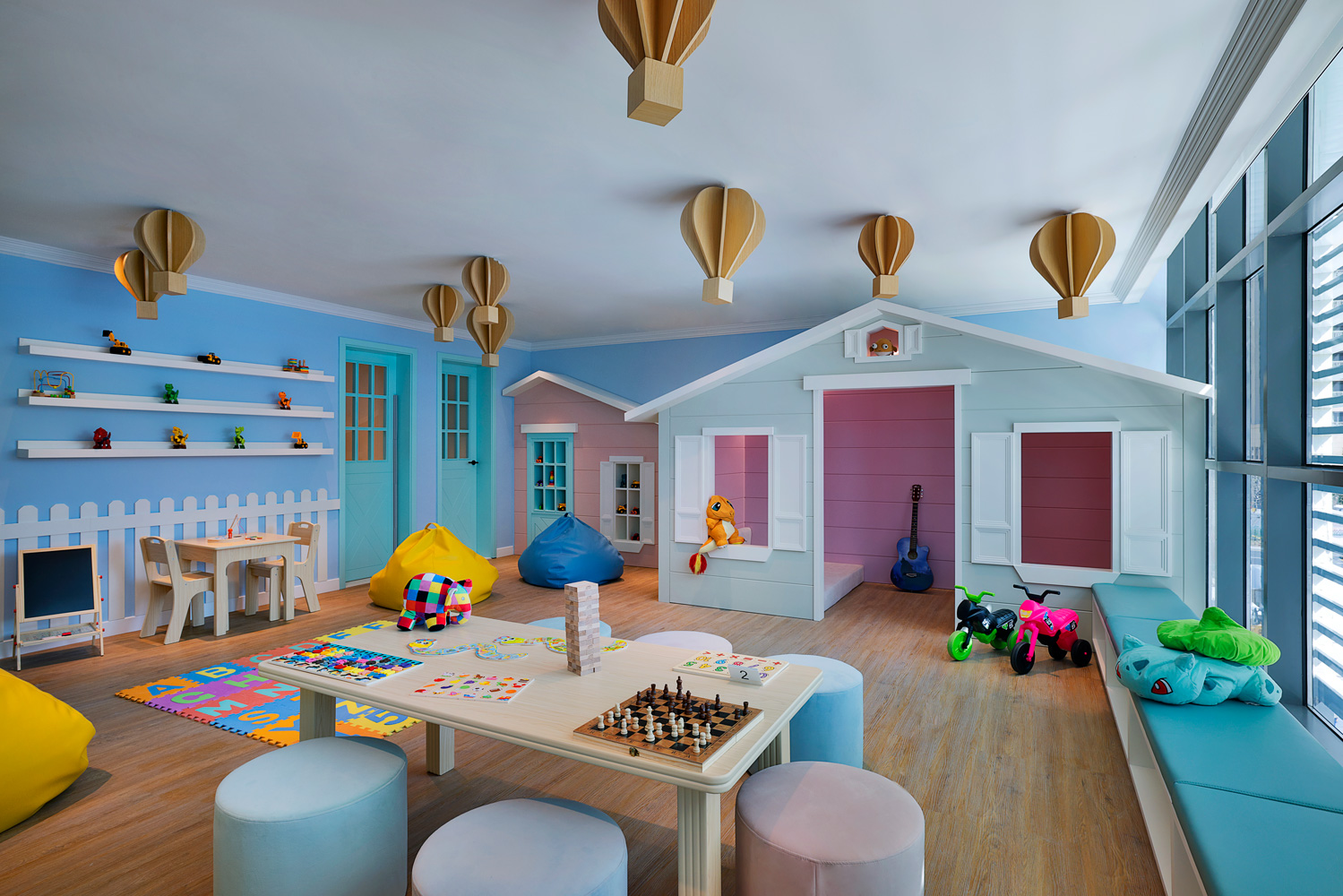
“Today, we are among the top three in terms of inventory – not only rooms, but also the F&B component, in terms of outlets and the recreational facilities that we offer.
“All of this allows us to go out into the market with more offerings. These offerings allow you to diversify the nature and average age of the end user.”
While around 80% of the hotels’ business is leisure-led, the properties also compete in the corporate and MICE segments, helped by their location near the entrance to The Palm.
“Our proximity to the entrance of The Palm gives us the chance to compete with hotels in JBR and Media City from a corporate perspective. “We also run MICE business, but our core business is leisure.”
The two hotels’ distinct identities also allow them to target different customer profiles from the same source markets. DUKES offers an entry-luxury five-star proposition, while NH Collection Dubai The Palm is positioned as a lifestyle-chic property.
“Presenting two different hotels to the market allows us to attract different clientele and different average age groups from the same source markets.
“One day, our dream is to see a family of four where the parents are staying, perhaps, at DUKES and the children are staying at NH Collection, and they all meet for breakfast in one place.
“That would give us proof that we have succeeded in penetrating different types of clientele within the same source markets.”