
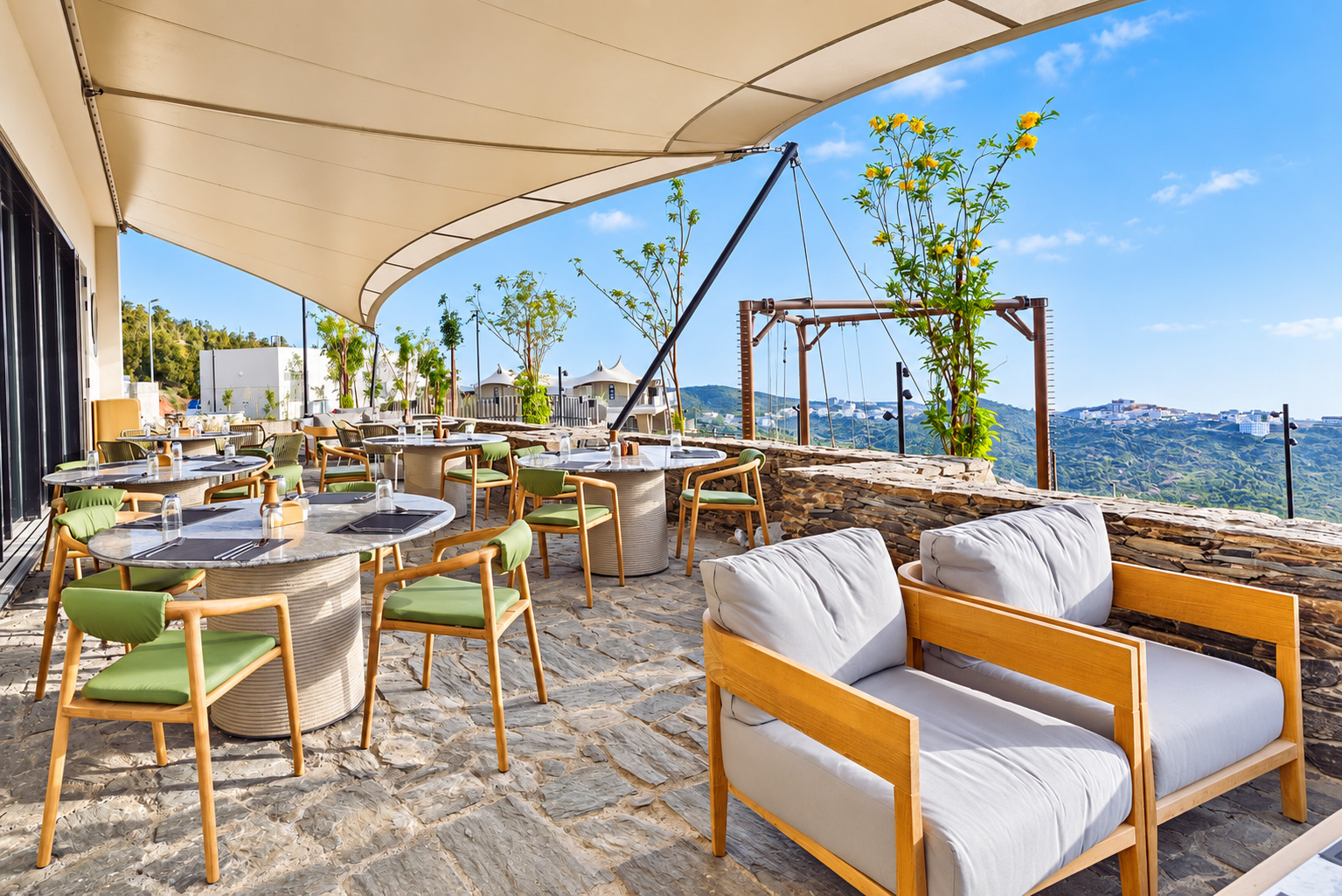
Mantis Collection, Accor’s boutique eco-hospitality brand rooted in conservation and community, has officially made its debut in Saudi Arabia with the opening of Gamra Mountain Resort by Mantis in the southwestern highlands of Al Baha.
Perched high in the mountains, the 30-suite tented retreat marks a distinct departure from the Kingdom’s prominent coastal giga-projects, tapping into a growing appetite for immersive mountain getaways, heritage storytelling, and cooler year-round highland climates. The resort's bespoke luxury tents were sourced directly from South Africa, offering a physical and philosophical bridge to the brand’s African safari lineage.
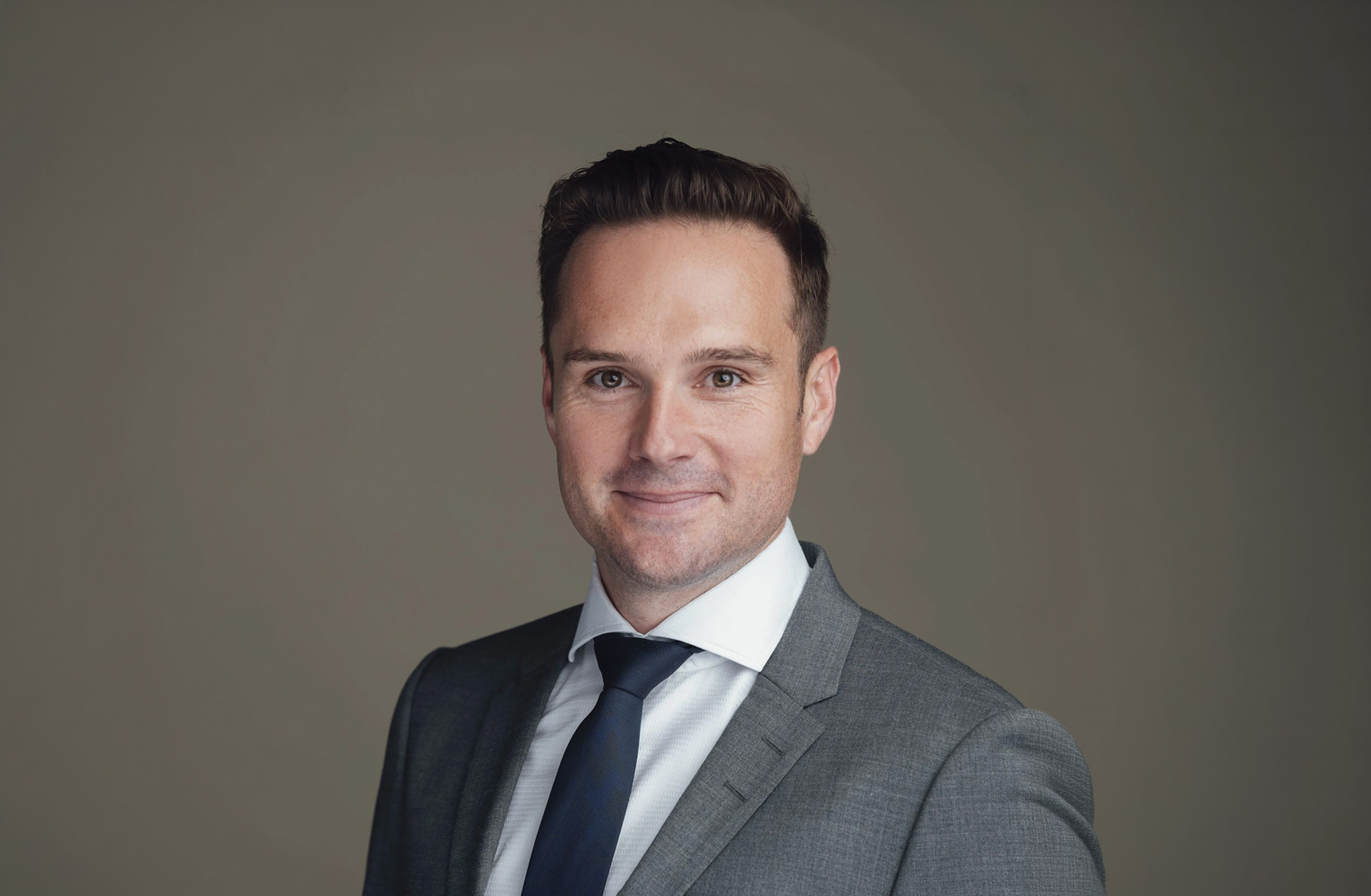
Craig Erasmus, CEO, Mantis Collection, sat down to discuss why Al Baha serves as the ideal springboard for the brand’s regional ambitions, how the group intends to open up Saudi Arabia’s untouched interior, and why experiential authenticity always takes precedence over the physical asset.
Mantis has officially debuted in Saudi Arabia with Gamra Mountain Resort in Al Baha. Why begin your Kingdom journey in this specific region?
Craig Erasmus: It is our first property in Saudi Arabia, featuring 30 keys in tented accommodation. The tents were brought over from South Africa, which provides a meaningful link back to our heritage.
Being up in the mountains, over 1,600 metres above sea level, it offers an unexpected side of Saudi Arabia. At certain times of the year, it gets cold and even snows. We are the first international hospitality brand to enter Al Baha, making it a very exciting milestone. Many Saudis already head there during the summer because of the cooler climate, yet few realise the depth of cultural assets and experiences that exist in the surrounding region. For us, Gamra serves as a gateway to explore those untouched landscapes.
Entering an emerging region like Al Baha effectively makes Mantis an accidental destination management company. What are the logistics of building a market from scratch?
Craig Erasmus: It really does feel that way on the ground. Because there was little to no existing tourism framework - to the point where early on you couldn’t easily hire a car locally - you have to go right back to the beginning. You must build the local infrastructure, cultivate supplier networks, and establish the ground logistics needed to deliver a seamless stay.
While we caught the tail end of the peak summer season at launch, we see Al Baha firmly as a year-round destination. There is a unique allure to being in the mountains when the clouds roll in and temperatures drop; it simply requires presenting the destination through a different seasonal lens.
The experience needs to lead, not the physical asset
Industry observers often debate the label ‘glamping’. Does Mantis identify with that term, or does it fall short of the brand’s philosophy?
Craig Erasmus: I do not like the word ‘glamping’ because it tends to carry the wrong connotations, leaning toward casual, luxury-style campsites. While we do operate seasonal and mobile camps in places like Botswana, Mantis is fundamentally an integrated luxury and sustainability brand.
When you operate in remote locations, your success relies entirely on genuine partnerships with the surrounding community and local service providers. We build our identity on three core pillars: conservation, community, and locality. It is about unearthing exceptional, hidden experiences and making them accessible. The experience needs to lead, not the physical asset.
How do you translate the wildlife and safari heritage of properties like Shamwari into a mountainous, arid setting like Saudi Arabia?
Craig Erasmus: It comes down to human connection and storytelling. At Shamwari, guests are guided through intense personal interactions, wildlife tracking, and narrative-driven game drives. In Saudi Arabia, where wildlife isn’t the primary hook, we channel that exact storytelling DNA into culture, community heritage, and the natural terrain. Guests need passionate people to reveal a destination's soul. It cannot simply be passive accommodation; it must be curated and experiential.
What about urban hotels? Could we see a Mantis in a major gateway city?
Craig Erasmus: We have an upcoming property in the pipeline outside Riyadh near Diriyah, but even that is set well away from the urban centre toward the ‘Edge of the World’ terrain. With over 45 brands under the Accor umbrella, there are flags far better suited to urban metropolises. If Mantis opened a conventional city tower in Dubai or Cape Town, we would dilute our core identity. Our properties must remain intimate, remote, sustainable, and generally off-grid.
Luxury travellers rarely visit remote regions for a single standalone property. How do you plan to drive longer lengths of stay across the Kingdom?
Craig Erasmus: We see a clear pattern among repeat Mantis guests: they don’t just book one lodge; they want seamless multi-stop itineraries covering three or four properties over seven to ten days.
Because of this demand, Mantis owns its own dedicated tour operating company. We are actively preparing to launch an official branch of our tour operator directly in Saudi Arabia early next year.
In established safari markets like Southern and East Africa, seasoned DMCs and tour operators handle complex transfers effortlessly. That ecosystem is still developing across Saudi Arabia’s interior. By launching our own in-house operator, we can craft bespoke airport-to-airport journeys, manage logistics end-to-end, and build seven-to-fourteen-day circuits that connect travellers to authentic culture and raw landscapes across the country.
How are distribution channels responding to bookings for off-grid properties?
Craig Erasmus: It is a fairly balanced split between direct consumer bookings, tour operators, and regional DMCs. In remote destinations, travellers and travel advisors are understandably hesitant to rely on simple automated booking engines.
These are high-value, highly complex itineraries - often catering to multigenerational families with specific logistical needs. Our tour operator teams often spend six to eight weeks exchanging details with clients to finalise a single itinerary.
That level of reassurance, safety, and personal touch is indispensable. Saudi Arabia has captured global curiosity, but unlocking it requires turning that intrigue into well-supported, stress-free adventures.