
Cruise Master works closely with international cruise lines that deploy ships in the Arabian Gulf during the winter cruise season, typically from November through March. This season several operators had ships scheduled in the region, including MSC Cruises with MSC Euribia, Costa Cruises with Costa Smeralda, Celestyal Cruises with Celestyal Journey and Celestyal Discovery, as well as ships from AIDA Cruises and TUI Cruises.
Earlier in the season, Costa Cruises and AIDA Cruises withdrew their sailings due to rising regional tensions. However, other operators continued with their deployments, demonstrating their commitment to the region. Several cruise lines repositioned ships to the Gulf by sailing around Africa rather than transiting the Suez Canal, a significantly longer and more expensive route chosen to avoid risks in the Red Sea.
Operations in the Gulf continued smoothly until February 28, when the escalation involving Iran, Israel, and the United States created immediate uncertainty across the region. On that same day, MSC Euribia had guests embark in Dubai, but the ship remained in port rather than sailing its scheduled itinerary.
Passengers stayed onboard and continued enjoying the ship’s facilities until their originally planned disembarkation date on March 7. MSC Cruises issued full refunds to those guests and later cancelled the remainder of the Gulf sailings for the season, with the March 21 departure becoming the final scheduled voyage.
At the same time, Celestyal Cruises completed its final sailing in the region on March 2 and was scheduled to reposition back to Greece. Several cruise ships currently remain in the Gulf as transit through the Strait of Hormuz has been disrupted amid the ongoing situation.
Our immediate priority was coordination and communication with both cruise line partners and our network of travel agents across the GCC.
We remained in close contact with cruise lines to monitor operational updates regarding itineraries, port calls, and passenger arrangements. At the same time, we ensured that travel agents received verified information quickly so they could accurately inform their clients about itinerary changes, refunds, and the status of ships in the region.
Providing clear and factual updates helped reduce uncertainty at a time when news developments were moving rapidly.
Geopolitical developments can influence business sentiment very quickly, even when the operational impact may be limited.
First, rely on verified information from trusted partners rather than reacting to speculation or social media narratives.
Second, communicate proactively with customers and partners. Even when the message is simply that operations remain unchanged, timely updates help maintain confidence.
Finally, maintain operational flexibility. External events are beyond any business’s control, but having strong partnerships and clear communication channels allows organisations to respond calmly and effectively when circumstances change.
Looking ahead, long-haul cruise bookings for the upcoming summer season continue to progress normally, and so far, the regional tensions have not significantly affected forward booking trends.
The Arabian Gulf has developed into an important winter cruise destination over the past decade, and the willingness of cruise lines to deploy ships here, even at significantly higher operational cost, reflects the long-term confidence the industry has in the region.
Like many businesses in the travel sector, we remain hopeful that stability returns soon so normal trading conditions can resume.
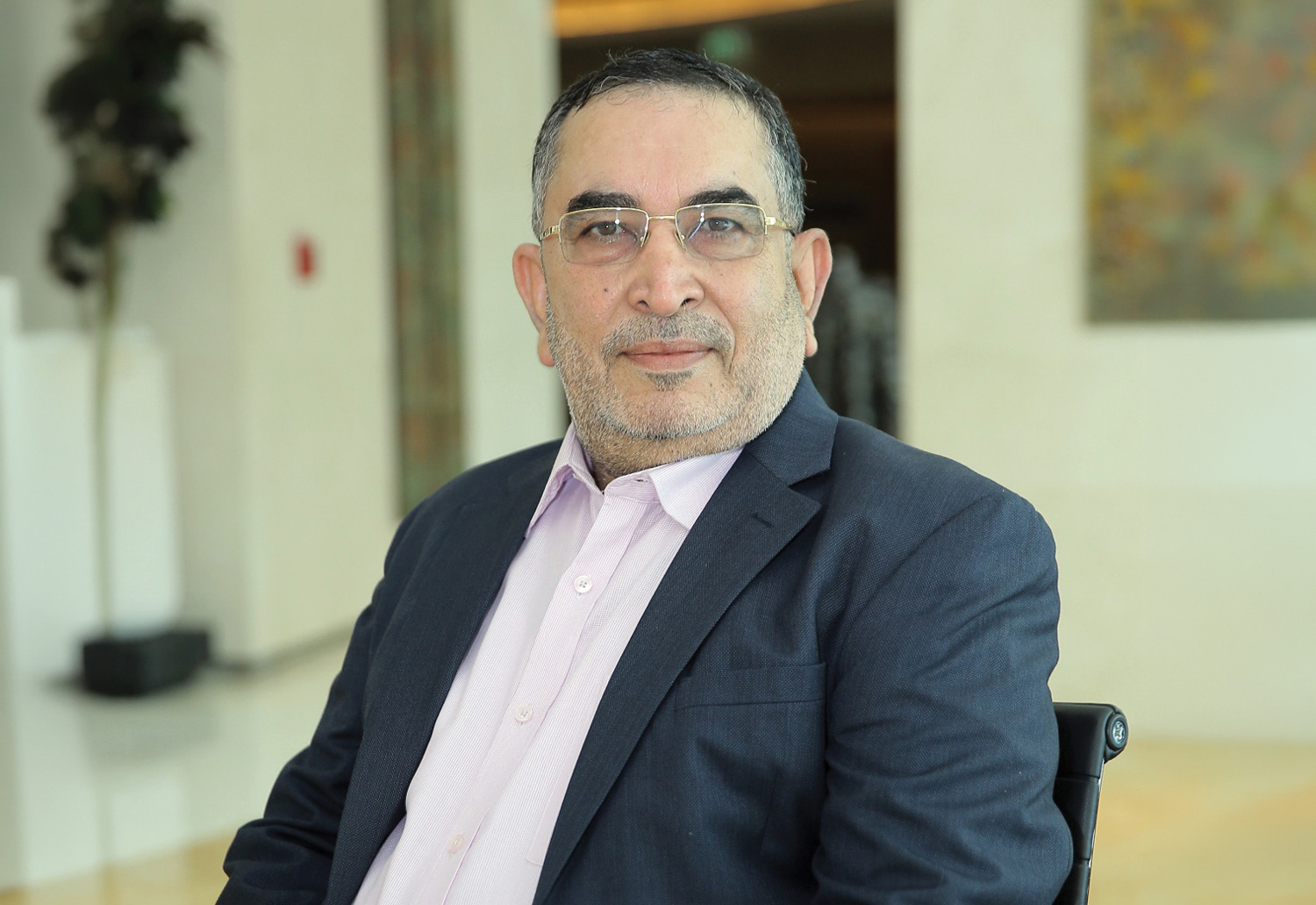
- The writer is Founder & Managing Director, Cruise Master