
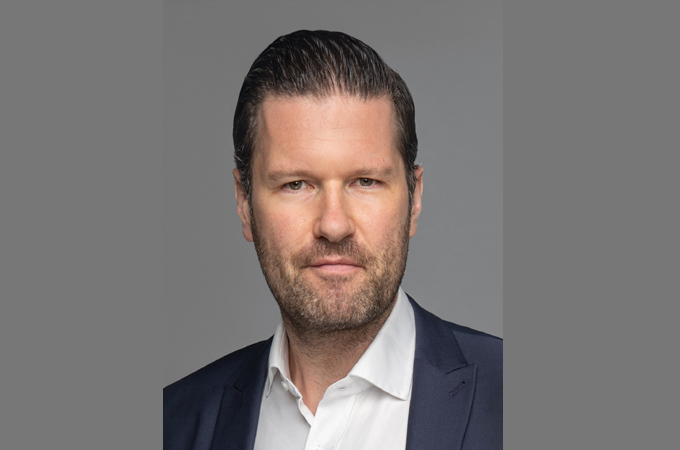
The GCC’s tourism sector is showing signs of recovery following significant disruption from the regional conflict, according to Richard Stolz, Partner – Tourism at Roland Berger Middle East.
Speaking to Travel & Tourism News Middle East, Stolz
said tourism establishments, MICE operators and airlines had been significantly
affected, with major conference hubs such as Dubai and Abu Dhabi experiencing
weaker hotel occupancy as key events were cancelled or postponed.
He said business travel is among the first segments to
recover, supported by the return of major conferences and events such as
Arabian Travel Market.
Beyond bringing business travellers back, these events are
helping restore business confidence and positive sentiment across the tourism
market.
Stolz expects younger travellers and repeat visitors to
follow, before more cautious segments such as families and those visiting
friends and relatives strengthen towards the end of 2026 and into early 2027.
Travel advisories and international airline operations will
influence the pace of recovery.
He said fundamental travel behaviour is unlikely to change,
noting the continued appeal of destinations such as Dubai and Abu Dhabi.
The UAE’s extensive tourism infrastructure, including
hotels, airports, transport, entertainment and cultural attractions, provides a
strong foundation for recovery.
Culture is also emerging as an increasingly important
pillar. According to Roland Berger’s cultural report, the UAE had 74 public
museums and around 223,000 cultural-sector employees in 2025.
Cultural and creative industries contributed an estimated 3.9% of GDP, while the country welcomed around 7.7 million cultural visitors. -TradeArabia News Service